How to Future-Proof Your SAP Investment in 2026 and Beyond
Businesses investing in SAP expect long-term value, but technology is evolving faster than ever. With digital transformation accelerating across industries, organizations need to ensure their SAP environment remains secure, scalable, and ready for future innovations. Future-proofing your SAP investment is not just about upgrading software, it's about building a flexible strategy that supports business growth for years to come.
Why Future-Proofing SAP Matters
As organizations adopt intelligent technologies, SAP continues to expand its ecosystem with cloud solutions, AI-driven capabilities, automation, and advanced analytics. Companies still relying on outdated systems may face higher maintenance costs, security risks, and limited innovation opportunities.
A future-ready SAP landscape helps businesses:
• Improve operational efficiency
• Reduce system downtime
• Stay compliant with changing regulations
• Support business expansion
• Quickly adopt new SAP innovations
Planning ahead today can significantly reduce costly migrations and disruptions tomorrow.
Key Strategies for Long-Term SAP Success
1. Keep Your SAP Environment Updated
Running the latest SAP releases ensures access to improved performance, stronger security, and new business features. Regular updates also reduce compatibility issues and prepare your organization for upcoming SAP innovations.
Rather than delaying upgrades, create a roadmap that aligns system updates with your business goals.
2. Move Toward Cloud-First Solutions
Cloud adoption continues to shape the future of enterprise technology. Migrating suitable workloads to SAP S/4HANA Cloud or integrating cloud-based services enables greater flexibility, faster innovation, and simplified infrastructure management.
Cloud platforms also allow businesses to scale resources as demand grows without significant hardware investments.
3. Strengthen Security and Compliance
Cyber threats continue to target enterprise applications, making SAP security more important than ever. Organizations should regularly review user access, implement multi-factor authentication, monitor vulnerabilities, and apply security patches without delay.
A proactive security strategy protects sensitive business data while helping maintain regulatory compliance.
4. Leverage AI and Automation
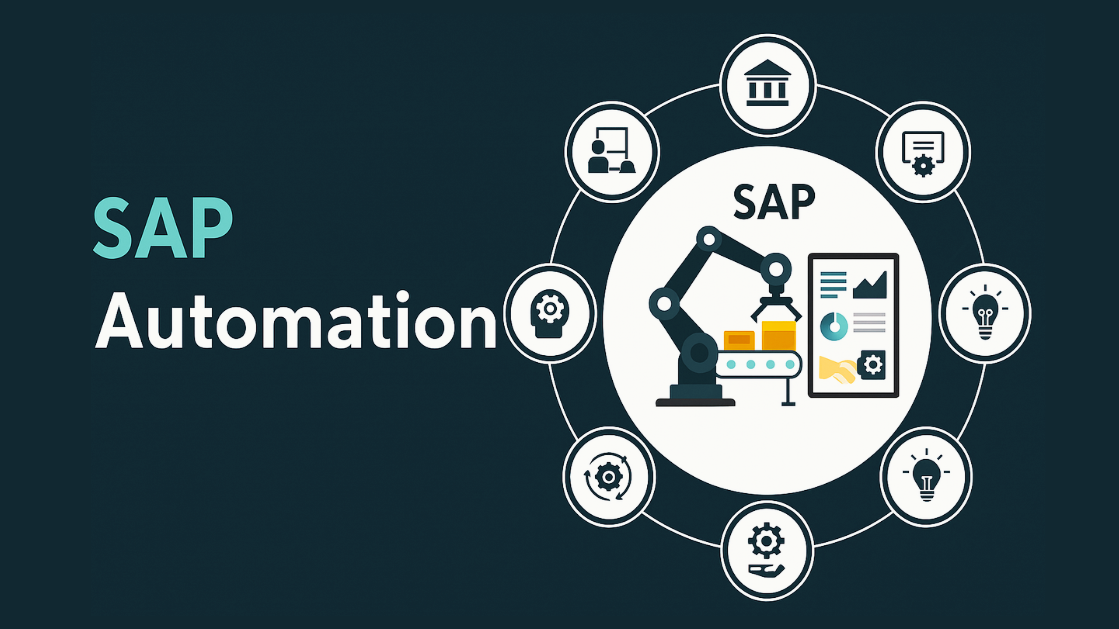
Artificial intelligence and automation are becoming essential components of modern SAP environments. Intelligent workflows reduce manual effort, improve decision-making, and increase productivity across finance, procurement, supply chain, and HR operations.
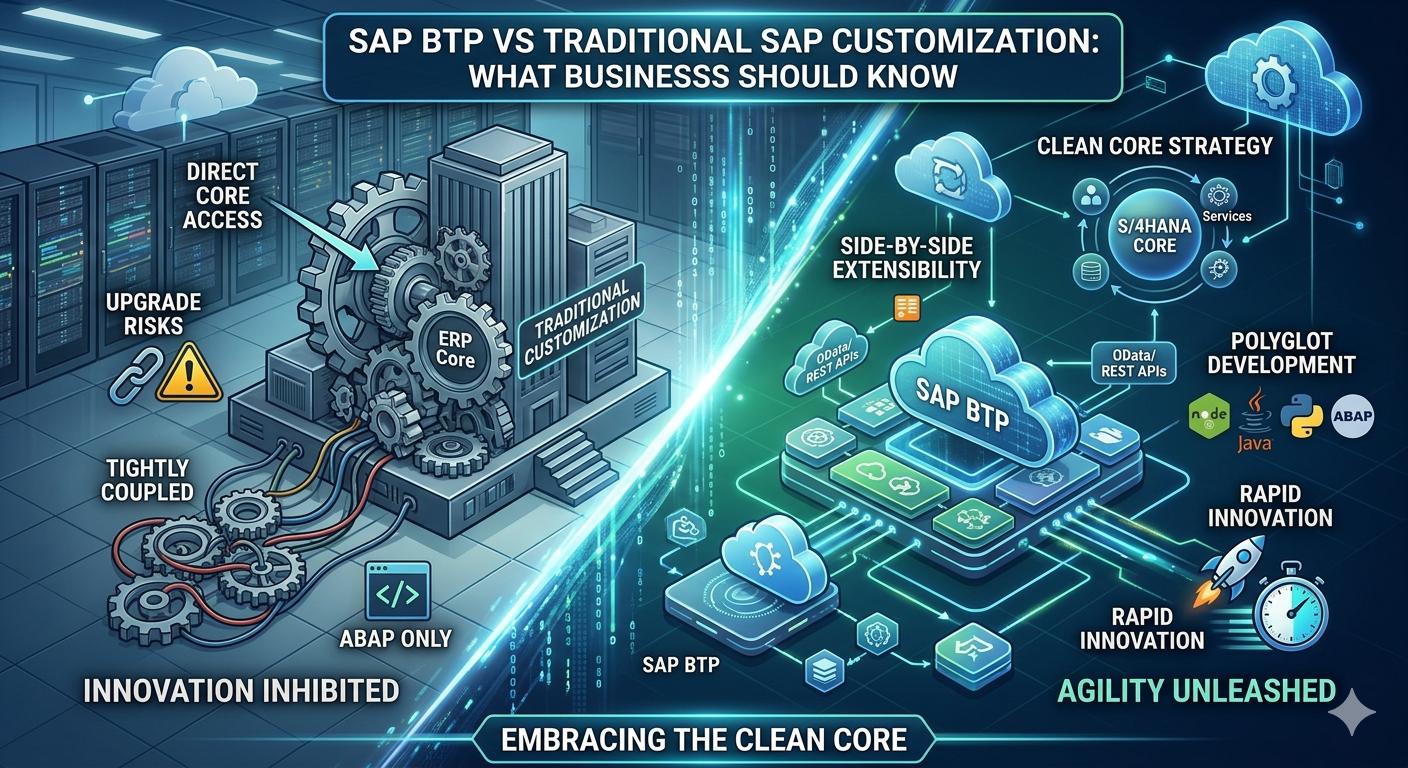
Businesses can also explore SAP Business Technology Platform to extend applications, integrate systems, and accelerate innovation without disrupting core business processes.
5. Invest in Employee Skills
Technology delivers maximum value only when employees know how to use it effectively. Continuous SAP training helps users adapt to new features, improve productivity, and reduce operational errors.
Organizations should encourage certification programs and regular knowledge-sharing sessions to keep teams aligned with evolving SAP capabilities.
Final Thoughts
Future-proofing your SAP investment is an ongoing process rather than a one-time project. Organizations that continuously modernize their systems, embrace cloud technologies, prioritize cybersecurity, and invest in innovation are better positioned for long-term success. By creating a clear technology roadmap and staying aligned with SAP's evolving ecosystem, businesses can maximize ROI while remaining competitive in an increasingly digital world.